


Bee Balm: Medicine, Magic, and Mystery

Bee Balm (Monarda spp.) is far more than a beautiful splash of color in the garden. It is a plant of heart, history, and healing—one that carries the wisdom of the land and the people who have tended it for generations. Also known as wild bergamot, Oswego tea, or horsemint, this North American native has long been cherished for its medicinal gifts, aromatic leaves, and vibrant blossoms that hum with life. Bees, butterflies, and hummingbirds flock to it instinctively, as if they, too, recognize its vitality. Bee Balm stands as both healer and symbol of passion, resilience, and connection.
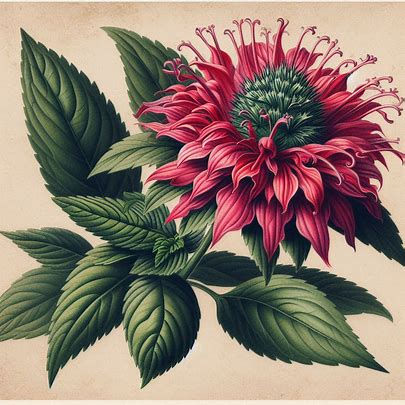
A member of the mint family (Lamiaceae), Bee Balm is easily recognized by its square stems and fragrant, lance-shaped leaves. When Bee Balm’s leaves are brushed or crushed, they release a warm, spicy, herbaceous aroma much closer to oregano or thyme. The scent is sharp yet grounding, with an almost wild, resinous quality that feels clarifying and protective. There’s a subtle earthy, medicinal, and unmistakably plant-strong heat to it. The kind of aroma that clears the breath, steadies the nerves, and signals deep antimicrobial power. This vigorous plant often reaches 2 to 5 feet tall, making it a bold and joyful presence in the garden, thriving wherever it’s planted with care.

A Plant Rooted in Story & Tradition
Bee Balm’s story lives in the hands, hearts, and daily lives of Indigenous peoples across North America. For generations, this plant has been more than a wildflower growing at the edge of the woods—it has been a trusted ally, a shared medicine, and a quiet teacher. Among the Oswego, Cherokee, Muskogee, Blackfoot, and many others, Bee Balm was known and respected as a plant of resilience, healing, and community.
The Oswego people, from whom Bee Balm takes one of its common names, tended this plant with intention. Its leaves were gathered at the right moment, dried with care, and brewed into a deeply aromatic tea. This tea was not only valued for its ability to soothe the body, but for the way it brought people together. Preparing and sharing Bee Balm tea became an act of connection—a simple ritual where stories were exchanged, laughter flowed, and the bonds of community were strengthened.

Indigenous healers worked closely with Bee Balm as a medicine for the whole person. It was called upon to ease digestion, support the lungs, calm fevers, and help the body find its way back to balance during times of illness. Yet its importance went far beyond physical healing. For tribes such as the Cherokee and Blackfoot, Bee Balm was part of a living relationship with the land. A reminder that plants are relatives, not resources, and that healing flows from respect and reciprocity.
The legacy of Bee Balm carries the wisdom of traditional ecological knowledge rooted in observation, care, and generations of lived experience. As we return our attention to native plants and ancestral ways of healing, Bee Balm gently reminds us that true medicine is never separate from community, land, or spirit. By honoring this plant, we also honor the cultures who have safeguarded its wisdom, and the deep, enduring relationships between people and the living world that continue to sustain us today.

Traditional & Modern Herbal Uses
Bee Balm is a deeply versatile ally. Indigenous healers relied on it for respiratory support, digestive discomfort, fevers, sore throats, skin irritations, and nervous tension. European settlers quickly adopted it into their own herbal traditions, recognizing its power and calling it Oswego tea.
Today, Bee Balm continues to be a trusted companion in the herbal world—gentle in nature, yet deeply effective. Herbalists and plant lovers alike turn to this vibrant plant for its versatility and reliability. Its aromatic leaves and bold blossoms can be brewed into comforting teas, infused into oils for the skin, prepared as tinctures for deeper support, or used fresh when the body calls for immediate care. However it’s worked with, Bee Balm meets the body where it is and offers steady, whole-hearted support.
It is especially loved for its support of the lungs and breath. It helps loosen congestion and move stuck mucus, easing tightness in the chest and calming irritated airways. During colds, seasonal illness, or times when breathing feels heavy, Bee Balm brings warmth and clarity back into the breath. Its strength as a protective plant comes from naturally occurring antimicrobial and anti-inflammatory compounds. These qualities help the body respond to infection while also soothing inflammation, making it a grounding ally when the system feels overwhelmed or inflamed.

For the digestive system, it offers gentle relief. It has long been used to calm bloating, gas, and uneasy digestion by helping the body relax and move more comfortably. When the stomach feels knotted or unsettled, it brings ease and warmth back to the center. It is also known as a fever ally, traditionally used to encourage gentle sweating and help the body release heat. Rather than forcing the body, it supports its natural rhythms allowing fevers to move through more smoothly and comfortably.
On an emotional level, Bee Balm acts as a soft nervine, helping to settle anxious thoughts and quiet stress held in the body. It supports the nervous system with a steady calm, making space for rest, grounding, and emotional balance. When it comes to sore throats, tender tissues, or minor skin irritations, Bee Balm shines once again. Its soothing and protective nature helps calm inflammation and support healing, whether taken as a warm tea, used as a gargle, or applied topically.
Bee Balm doesn’t rush the healing process; it walks alongside it. It reminds us that effective medicine can also be gentle, and that sometimes the most powerful support comes from a plant that knows how to clear, calm, and restore all at once.

Key Herbal Constituents
Bee Balm’s impressive healing strength comes from a rich and diverse blend of plant compounds, which work synergistically to deliver its wide-ranging benefits. Some of the key constituents include:
Volatile Oils: The essential oils found in Bee Balm, such as thymol and carvacrol, are known for their antimicrobial and anti-inflammatory properties. Additionally, geraniol and linalool contribute calming effects and skin-soothing benefits, making them valuable for topical applications.
Flavonoids & Tannins: These compounds provide antioxidant and astringent properties that help protect the body from oxidative stress while also promoting tissue repair and restoration. They play a crucial role in enhancing the overall efficacy of the herb.
Additional Compounds: Bee Balm contains a variety of other beneficial compounds, such as anthocyanins, linolenic acid, oleanolic acid, and germacrene. Each of these contributes to its broad therapeutic range, enhancing its effectiveness for various health concerns.
Together, these constituents give Bee Balm its multifaceted antimicrobial, digestive, respiratory, and nervine actions, which make it a treasured staple in any herbal apothecary. Its diverse applications and gentle nature ensure that it remains a popular choice for those seeking natural remedies.

Ways to Work with Bee Balm
Tea/Infusion: Brewing Bee Balm into a comforting tea is a delightful way to harness its benefits. This soothing infusion can be particularly helpful for colds, digestive discomfort, fevers, and stress relief. The warm liquid not only promotes relaxation but also aids in the alleviation of symptoms.
Tincture: A tincture made from Bee Balm offers concentrated support for the immune, digestive, and nervous systems. This potent extract allows for easy dosage and is ideal for those seeking quick relief from various ailments.
Infused Oil or Salve: Creating an infused oil or salve from Bee Balm can provide soothing relief for skin irritations, minor wounds, and burns. The topical application allows the beneficial properties of the herb to penetrate the skin, promoting healing and comfort.
Steam Inhalation: Utilizing Bee Balm in steam inhalation can effectively clear congestion and open the breath. This method is particularly beneficial for respiratory issues, allowing the volatile oils to work directly on the respiratory system.
Vinegar or Oxymel: Infusing Bee Balm into vinegar or creating an oxymel can support respiratory health and add a vibrant herbal note to foods and beverages. This preparation not only enhances the flavor of dishes but also provides a medicinal boost.

The Symbolism of Bee Balm
Bee Balm carries a long and luminous history, one that stretches back through generations of plant-wise people who understood its deeper language. For centuries, it has been honored as a plant of passion, vitality, and courage—a bright, living reminder that the heart is meant to stay open and engaged with life. Its bold, flame-like blossoms don’t simply catch the eye; they stir something deeper, gently awakening creativity, warmth, and the desire to love more fully.
The vivid colors of Bee Balm, rich reds, glowing pinks, and soft purples, mirror the emotional energy it holds. Herbalists and spiritual practitioners have long felt that this plant helps shake off stagnation, especially during seasons when the spirit feels tired or hesitant. Bee Balm doesn’t push—it encourages. It offers a quiet strength that helps people step back into their truth, rekindling confidence and reminding them of what makes their heart feel alive.
In ritual and dream work, Bee Balm has been treated with special care. Its dried leaves and blossoms were traditionally burned as incense, not just for their strong, grounding aroma, but for their ability to clear and protect a space. The smoke was believed to sweep away heaviness and distraction, creating a calm, centered atmosphere where reflection, prayer, or meditation could unfold more easily.

Elders and wise individuals within various cultures have long utilized Bee Balm to encourage visionary dreams. It is trusted as a plant that helps soften the veil between waking and dreaming, encouraging meaningful, symbolic dreams and intuitive insight. By inviting Bee Balm into nighttime rituals, people find guidance, not from outside forces, but from the wisdom already living within them.
Bee Balm’s connection to intuition is gentle yet steady. Working with this plant can help sharpen awareness, making it easier to listen closely—to the body, the heart, and the subtle rhythms of the world around us. In times of uncertainty, it offers clarity not by giving answers, but by helping us ask the right questions.
More than a beautiful garden flower, Bee Balm is a companion for those walking a path of creativity, healing, and self-discovery. Its fiery blooms remind us to stay open-hearted, to move with courage, and to trust the quiet knowing that lives beneath the surface. For those who recognize its spirit, Bee Balm becomes not just a plant, but a guide—steady, warm, and full of life.

Conclusion
Bee Balm is not just a plant. It is a quiet remembering. A gentle call back to balance between body, mind, and spirit. It reminds us that true protection doesn’t come from force, but from clarity, presence, and connection. That courage is not meant to be carried alone but is rooted in community and nourished by the steady vitality of the earth beneath our feet. When Bee Balm blooms, it invites us to slow our pace, deepen our breath, and listen to ourselves, to one another, and to the wisdom that has always been growing nearby.
Its bold flowers and strong, herbaceous scent carry the message of resilience. It doesn’t shy away from intensity; it teaches us how to meet it with steadiness and grace. In doing so, it helps clear what feels heavy or stagnant, making space for renewal, creativity, and strength to return.
From Indigenous ceremonies where it was honored as both medicine and relative, to colonial kitchens where it was brewed into a humble yet powerful tea, Bee Balm has always lived at the crossroads of necessity and meaning. It has comforted the sick, warmed the weary, protected the spirit, and inspired the heart. Whether steeped into healing teas, carried as sacred smoke, or grown lovingly in the garden, Bee Balm continues to serve as both medicine and muse bridging generations, traditions, and ways of knowing.
To work with Bee Balm is to remember that healing is relational. It lives in the sharing of cups, the tending of plants, and the simple act of paying attention. In a world that often pulls us away from the natural rhythms of life, Bee Balm stands as a steady companion, reminding us that balance, courage, and wisdom are not lost. They are growing, patiently, all around us. Welcome it into your garden, your apothecary, and your spiritual practice. Let its warmth remind you that nature is always offering support, beauty, and belonging if we’re just willing to listen.
📚 Bibliography
Adamant, R. (2018). Herbal Actions and Energetics. Herbal Press.
Crow, T. M. (2001). Native Plant Medicine: Muskogee Traditions. Sacred Earth Publishing.
de la Forêt, R. (2011). The Herbalist’s Path. Natural Wisdom Press.
Foster, S., & Duke, J. A. (2000). A Field Guide to Medicinal Plants and Herbs of Eastern and Central North America (2nd ed.). Houghton Mifflin.
Grieve, M. (1971). A Modern Herbal. Dover Publications. (Original work published 1931)
Geniusz, M. S. (2015). Plants Used by the Great Lakes Anishinaabe. University of Michigan Press.
Kowalchik, C., & Hylton, W. (1987). The Complete Book of Herbs. Viking Press.
Marchese, A., Orhan, I., et al. (2016). Antimicrobial Activity of Monarda Essential Oils. Journal of Applied Microbiology, 120(3), 647–659.
Moore, M. (2003). Medicinal Plants of the Pacific West. Herbalist Press.
Wood, M. (1997). The Earthwise Herbal: A Complete Guide to Old World Medicinal Plants. North Atlantic Books.


Comments